THE ICE SHEET'S HIDDEN STORIES
ABOUT THE MATERIAL
- When Greenland was green
- Dinosaurs lived in Greenland
- The landscape under the ice
-
You solve the tasks by using
- Text
- Audio
- Drawing tool
- Images
In the book you can find more information on the subject.
In 1979 a Danish scientist found something strange in northern Greenland. In a 100-metre deep layer of sediment he found remains of trees, insects and other life forms.
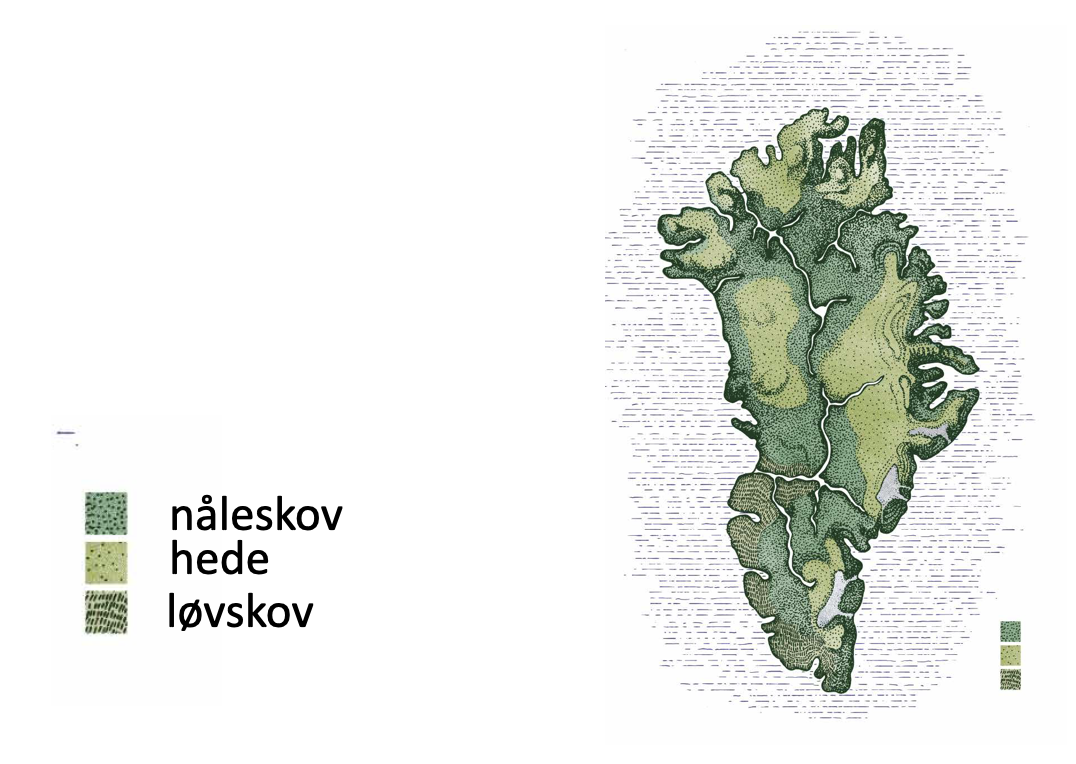
Two million years ago there grew threes. On the map you can see where conifers and hardwood grew.
Make a drawing of a coniferous tree and a hardwood tree.
In Jameson Land in East Greenland scientists found remains of a dinosaur. They named it “issi saaneq” that means cold bones in Greenlandic.
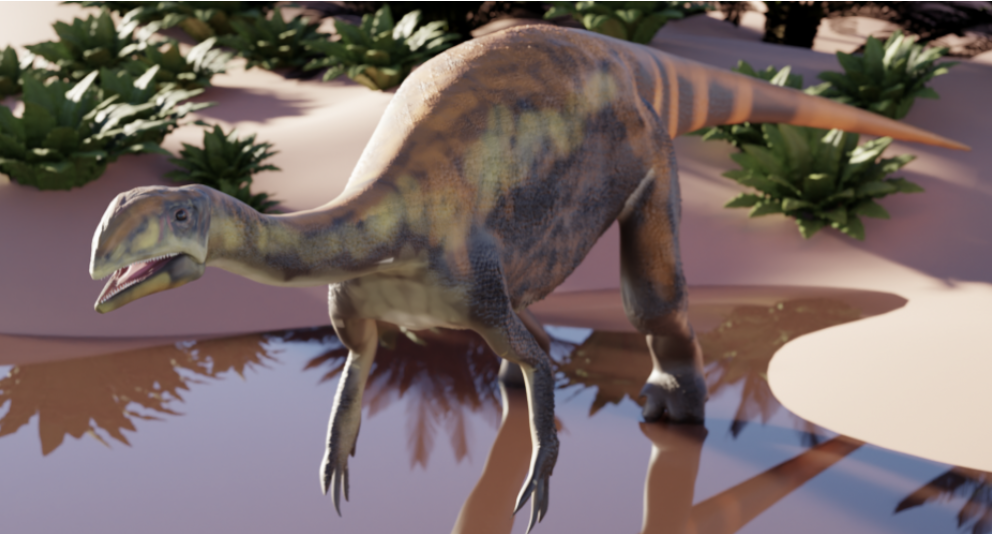
The dinosaur lived 150 million years ago. East Greenland was then a part of Norway.
Imagine that you were on a trip in East Greenland and you met an issi saaneq. Is it a kind or dangerous dinosaurs?
Write, record or draw your story.
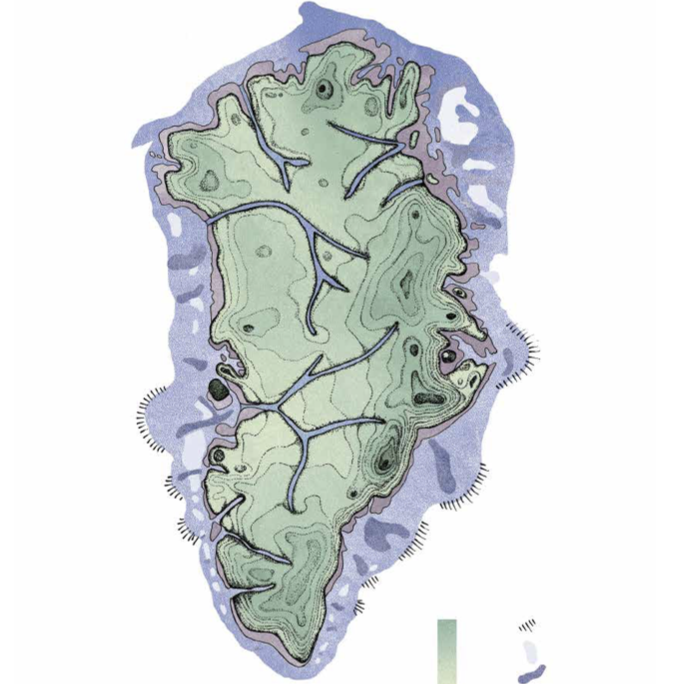
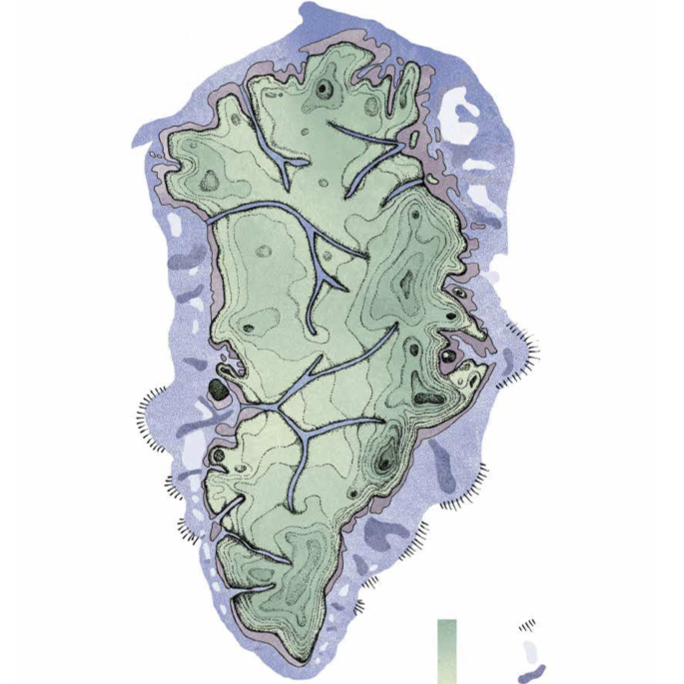
If the ice sheet disappeared, the land under it would rise several hundred metres in the middle of the island. Greenland would look like before it was covered by ice.
-
What is below the ice sheet?
-
Make a drawing of the landscape without ice.
-
Would there live dinosaurs again if the ice disappeared?
In 1979 a Danish scientist found something strange in northern Greenland. In a 100-metre deep layer of sediment he found remains of trees, insects and other life forms.
They were dated to be around 2 million years old. Greenland at that time was coveret by moors and open forests.
-
How was the vegetation in Greenland 2 million years ago? See the map in the book on page 37.
-
What other kinds of life were found in the layer of sediment?
-
How was it possible that trees could grow in Greenland at that time? Find help in the book on page 36.
In Jameson Land in East Greenland scientists found remains of a dinosaur. They named it “issi saaneq” that means cold bones in Greenlandic.
The dinosaurs lived in Greenland 150 million years ago.
The continents as we know them today were once part of a huge, continuous supercontinent called Pangea. At the time, around 450 million years ago, Greenland lay at the Equator, and the country was covered with lush forests, subtropical swamps, and volcanoes.
Write or record a fairytale with the title My encounter with issi saaneq.
Today, the Earth’s crust under the ice sheet is pushed down by the ice and forms a bowl-shaped depression.
If the ice sheet disappeared, the bedrock in the middle of the island would rise hundreds of metres and form a landscape equivalent to how Greenland looked before the landmass was covered by ice.
-
Make a model of the landscape under the ice.
-
What will happen to the bedrock if the ice disappears?
-
Which animals would become extinct or find other places to live if the ice disappeared?
Today most of Greenland is covered by ice but 450,000 years ago the climate was much warmer.
In a layer of sediment remains of butterflies, moths, flies and beetles have been found by DNA analysis.
-
What kind of vegetation existed in Greenland 2 milllion years ago?
-
Search the Internet to find out how Greenland got its name.
-
What did the Danish scientist find in 1979?
This is a reconstruction of a dinosaur species of which bones have been found in Greenland.
It is a formerly unknown species and it has been called “issi saaneq” that means cold bones.
- 450 million years ago the continents as we know them today were a continous supercontinent. What is it called?
- Where was Greenland located in the time of this supercontinent, and how was the climate?
-
Click on this link to see whether issi saaneq was herbivorous or carnivorous.
Under the ice in Greenland the landscape has been pressed down to form a kind of bowl.
-
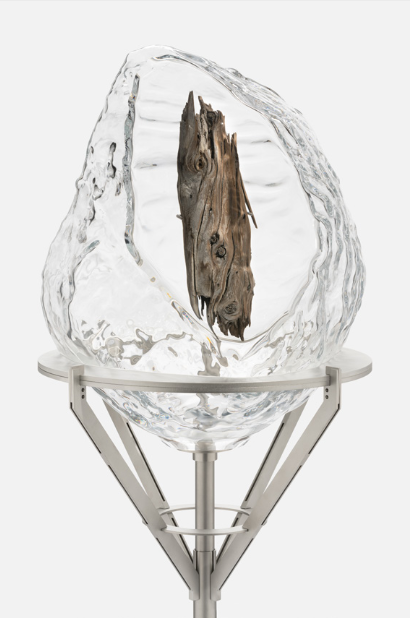
This model (page 40) shows Greenland’s landscape under the ice sheet. How do you read the model?
-
What do you see in the model on page 41?
-
What would happen if all of the ice sheet melted?
-
Which animals would become extinct or find other places to live if the ice disappeared?
Today most of Greenland is covered by ice but 450,000 years ago the climate was much warmer.
In a layer of sediment remains of butterflies, moths, flies and beetles have been found by DNA analysis.
-
On the map (p. 37 in the book) different kinds of vegetation are indicated. Where in the world are these kinds of vegetation found today?
-
Search the Internet to find out how Greenland got its name.
-
Why is a warmer climate more favourable for some species, making them able to adapt better? Use this link.
This is a reconstruction of a dinosaur species of which bones have been found in Greenland.
It is a formerly unknown species and it has been called “issi saaneq” that means cold bones.
-
What did the supercontinent Pangea look like? Search the Internet.
-
Click this link to find out to whom issi saaneq is a predecessor.
-
What type of climate existed in Greenland 450 million years ago?
Under the ice in Greenland the landscape has been pressed down to form a kind of bowl.
-
This model (page 40) shows Greenland’s landscape under the ice sheet. How do you read the model?
-
What is being drained in the model on page 41?
-
Why would the bedrock rise if all of the ice sheet melted?
Partners


