ABOUT THE MATERIAL
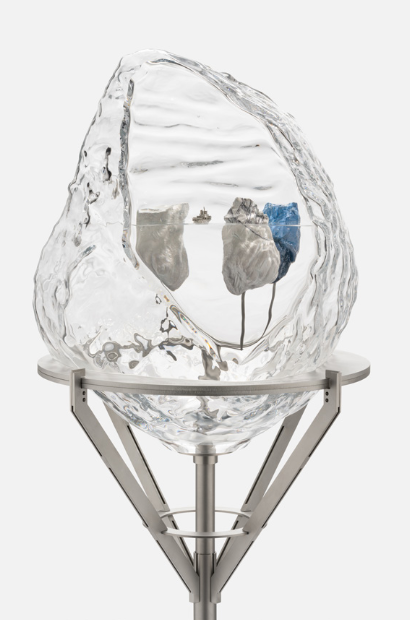
- The colours of an iceberg tell us where it came from
-
You solve the tasks by using
- Text
- Audio
- Drawing tool
- Images
In the book you can find more information on the subject.
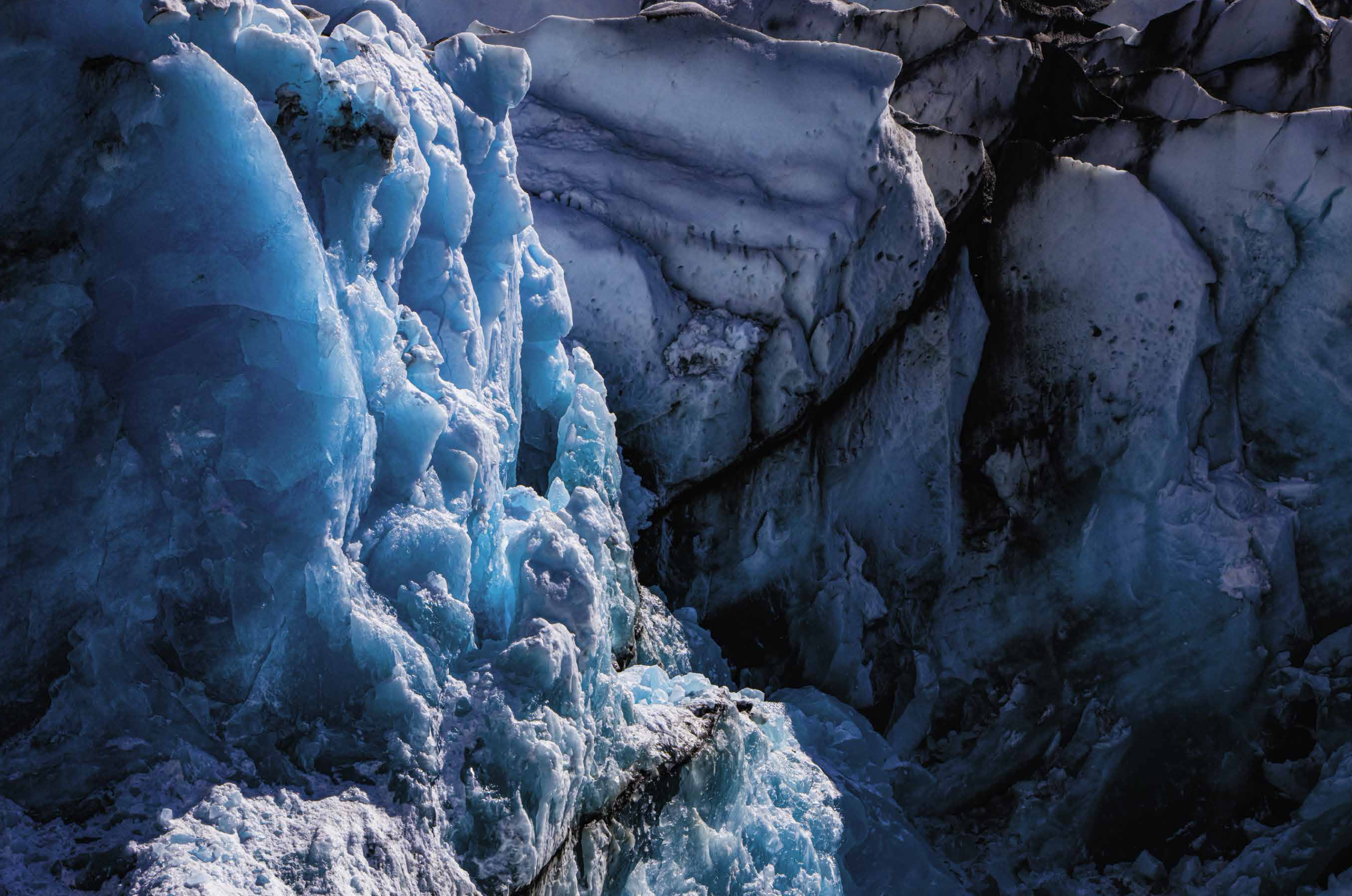
White ice is youngest and comes from the upper part of the glacier. Blue ice is older and comes from the lower part of the glacier. Striped ice has traces of gravel and dirt and comes from the bottom of the glacier.
Black ice is formed from meltwater.
-
What colours can the ice have?
-
What makes the ice look white or blue?
-
What are the black stripes in the ice?
White ice is youngest and comes from the upper part of the glacier. Blue ice is older and comes from the lower part of the glacier. Striped ice has traces of gravel and dirt and comes from the bottom of the glacier.
Black ice is formed from meltwater.
-
Why are there traces of gravel and dirt in the iceberg?
-
What makes the ice look white or blue?
-
What are the black stripes in the ice?
The colours of the ice reveals its age.
Blue ice is oldest and most compressed. White ice is youngest and filled with air bubbles.
See more about the colours of the ice.
-
Where do icebergs get their stripes from?
-
What makes frozen meltwater look dark?
-
How can the ice move across the bedrock?
The colours of the ice reveals its age.
Blue ice is oldest and most compressed. White ice is youngest and filled with air bubbles.
See more about the colours of the ice.
-
What colours can icebergs have and what do they signify?
-
What kinds of ice do you see in the picture on pages 38-39?
-
How can striated ice be used for research?
Partners


