ICE CRYSTALS

ABOUT THE MATERIAL
- How a snowflake is formed
- The warmer the cloud the more detailed the ice crystal
- Why are snowflakes white?
-
You solve the tasks by using
- Text
- Audio
- Drawing tool
- Images
In the book you can find more information on the subject.
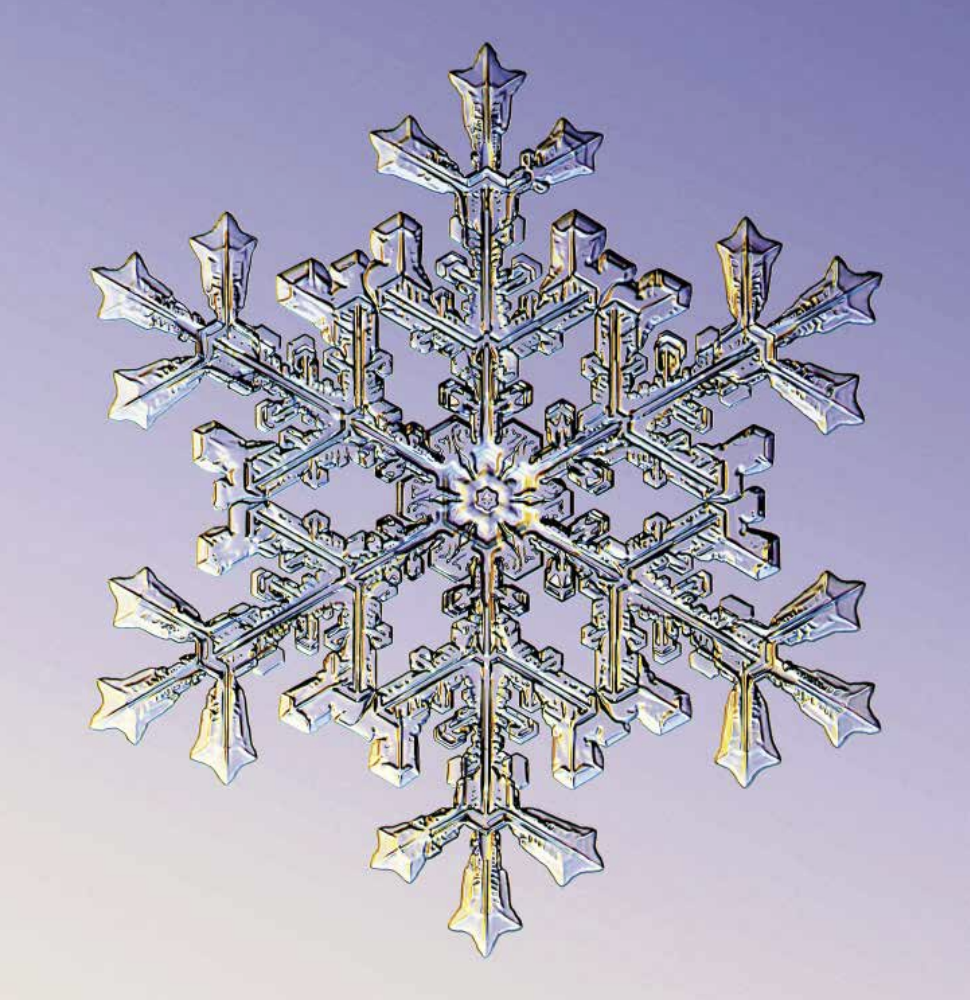
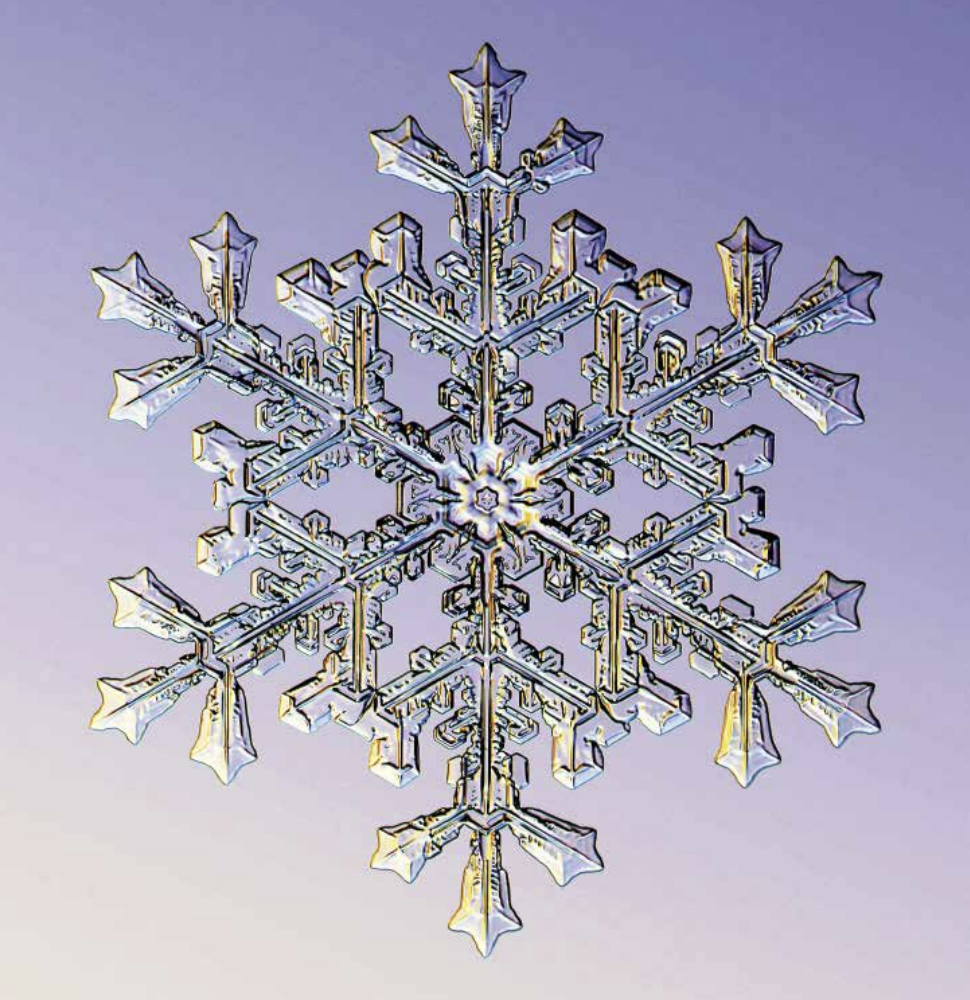
Snowflakes are ice crystals that have gathered in the topmost, cold layers of a cloud.
An ice crystal is hexagonal and symmetrical. It begins from a germ in the middle.
On page 11 in the book you see how an ice crystal is formed. Draw the forming of your own ice crystal and begin with the germ.
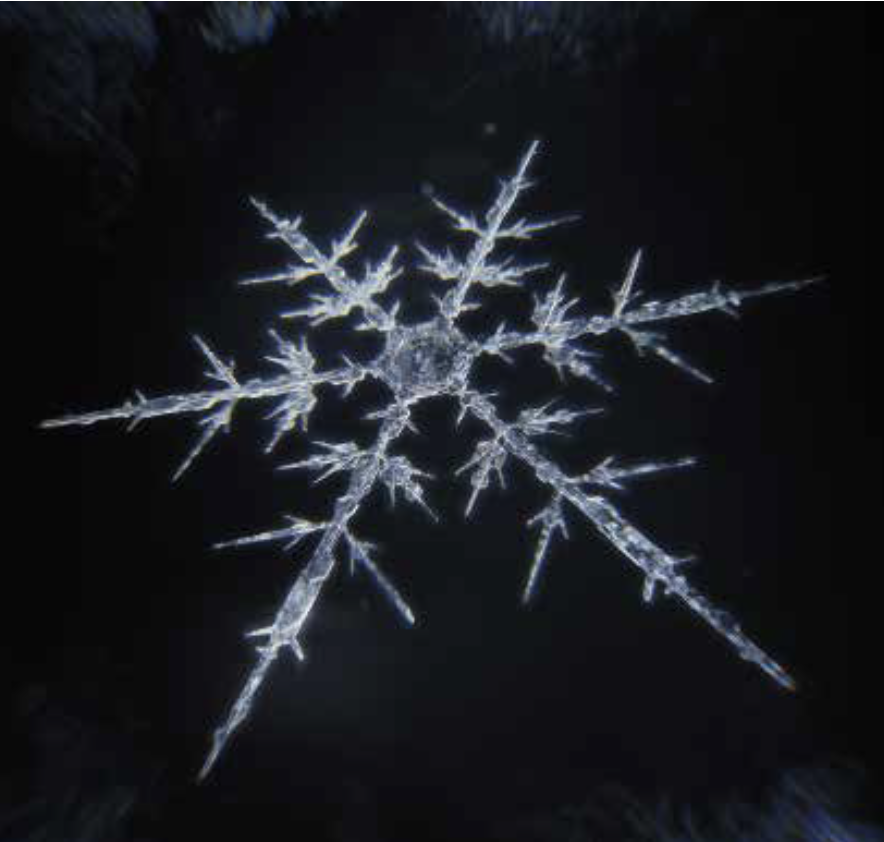
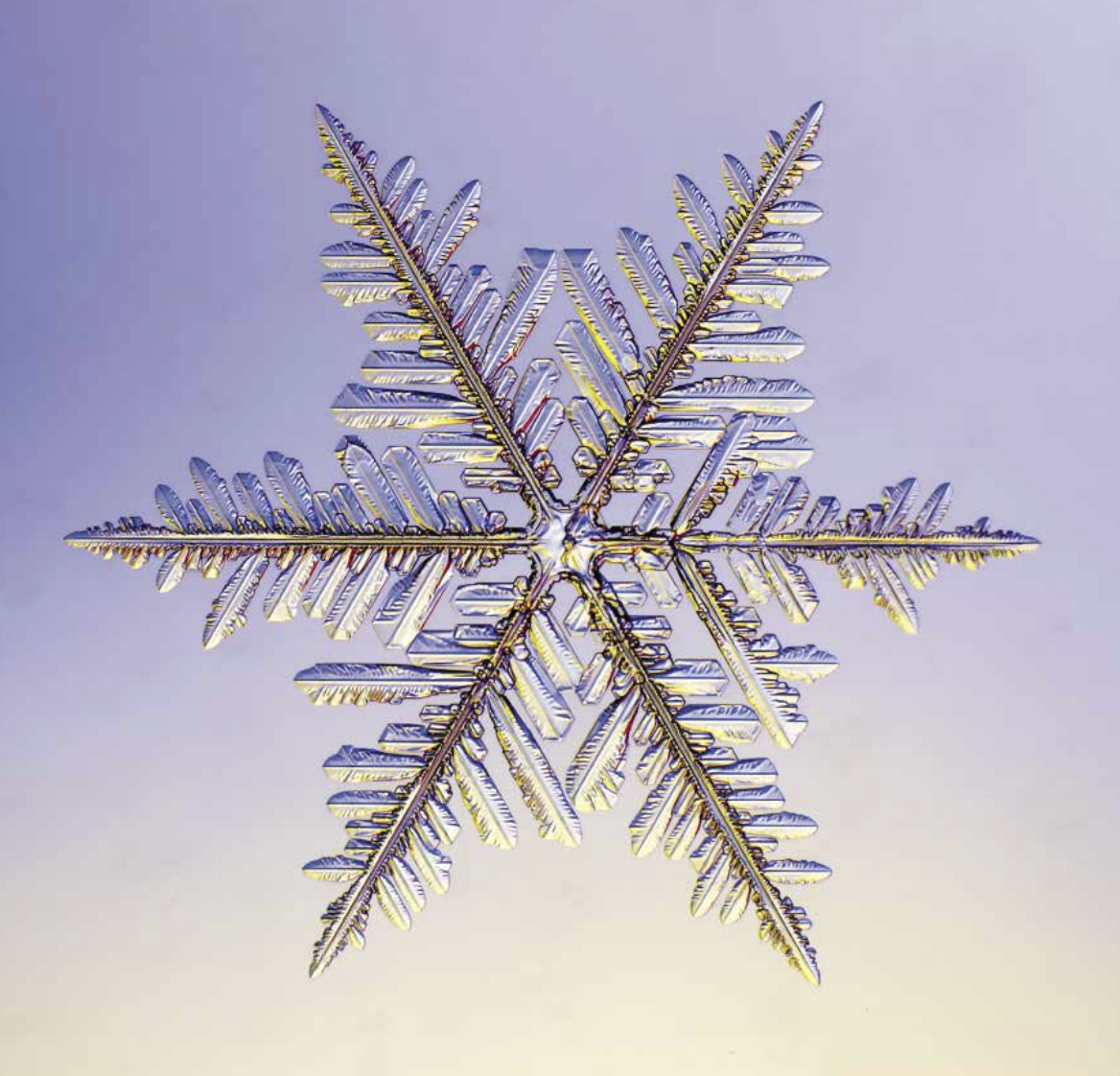
The ice crystal is formed in the cloud. It consists of water molecules. The warmer the temperature of the cloud, the more water molecules it contains. Ice crystals therefore grow more quickly in warm clouds and develop more details.
Ice crystals with few details.
Ice crystals with many details.
-
When ice crystals freeze together they become a snowflake. Draw a snowflake.
My drawing:
-
What happens with the snowflakes when they get heavy enough?
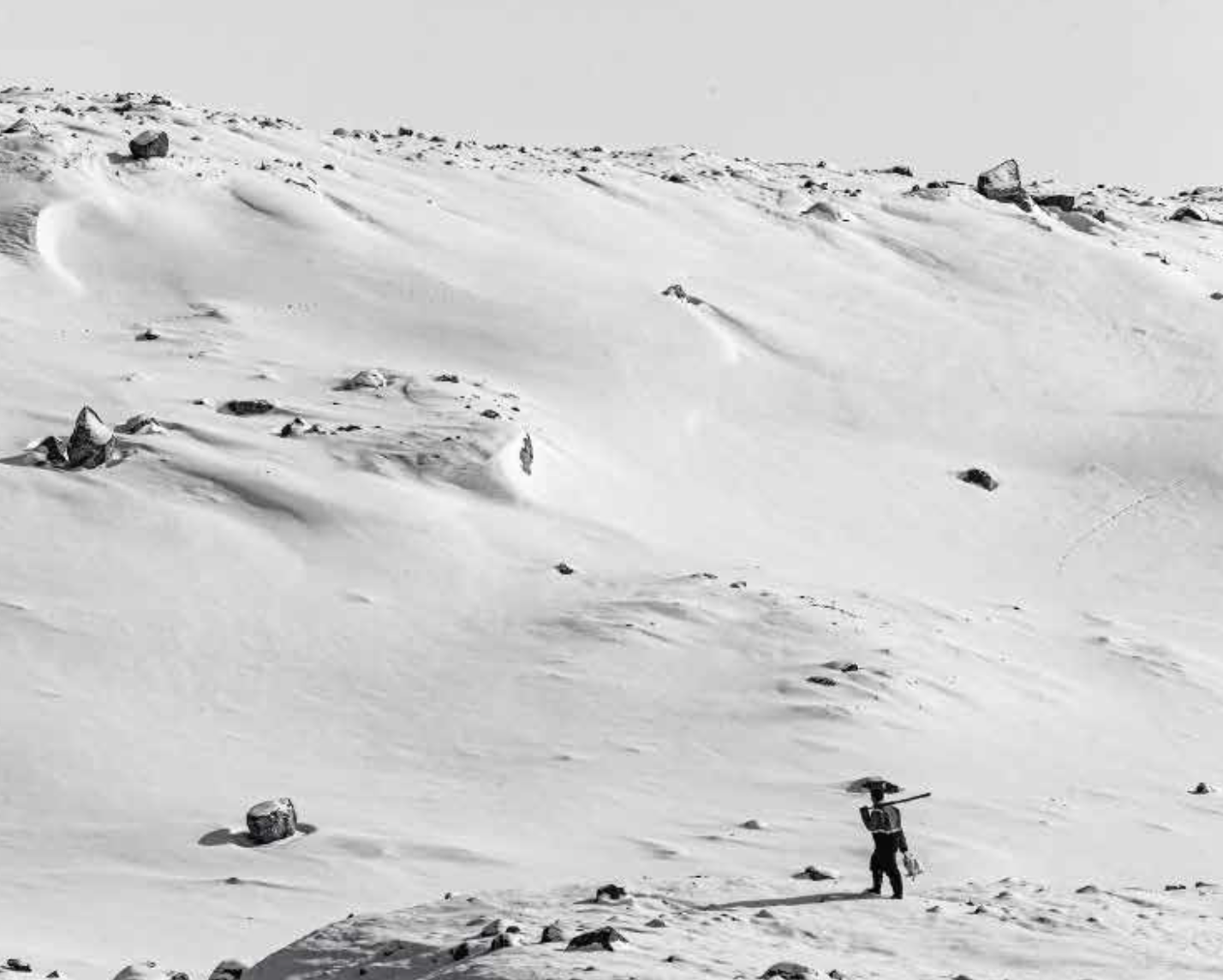
Snow consists of ice crystals. Ice crystals consist of water. Water has no colour.
When the light shines on the ice, it is reflected in the ice crystals, and the eye sees it as the colour white.
-
What does snow consist of?
-
Why is the snow white?
-
What is the person in the picture doing?
Answer with a text, drawing or audio file:
A snowflake is formed when ice crystals have gathered in a cloud.
It starts with a germ that the water molecules hit. And so ice crystals are formed.
-
On page 11 are six models showing the formation of an ice crystal. Write a short text to each picture explaining what can be seen.
My text:
-
What can be the germ for an ice crystal?
-
Of what do water molecules consist?
The ice crystal is formed in the cloud. It consists of water molecules. The warmer the temperature of the cloud, the more water molecules it contains. Ice crystals therefore grow more quickly in warm clouds and develop more details.
Ice crystals with few details.
Ice crystals with many details.
-
What does the model on page 12 show?
-
What happens when the aggregation of ice crystals gets heavy?
-
What is the basic structure of an ice crystal?
The light emitted from the sun is called “white”. It contains all the colours that humans can see.
When the ice crystals in the snow reflect the sunlight, this is perceived as white.
-
How do you describe an ice crystal?
My description:
-
What do you see in the model on page 18?
-
What does reflection mean?
A snowflake is formed when ice crystals have gathered in a cloud.
It starts with a germ that the water molecules hit. And so ice crystals are formed.
-
On page 11 are six models showing the formation of an ice crystal. Write a short text to each picture explaining what can be seen.
My text:
-
What can be the germ for an ice crystal?
-
Of what do water molecules consist?
The ice crystal is formed in the cloud. It consists of water molecules. The warmer the temperature of the cloud, the more water molecules it contains. Ice crystals therefore grow more quickly in warm clouds and develop more details.
Ice crystals with few details.
Ice crystals with many details.
-
What does the model on page 12 show?
-
What happens when the aggregation of ice crystals gets heavy?
-
What is the basic structure of an ice crystal?
The light emitted from the sun is called “white”. It contains all the colours that humans can see.
When the ice crystals in the snow reflect the sunlight, this is perceived as white.
-
How do you describe an ice crystal?
My description:
-
What do you see in the model on page 18?
-
What does reflection mean?
A snowflake is formed when ice crystals have gathered in a cloud.
It starts with a germ that the water molecules hit. And so ice crystals are formed.
-
Snowflakes gather in the higher strata of air. What are the layers of the atmosphere called?
-
What is a germ?
-
In what states can water exist, and how are the molecules in these states?
The ice crystal is formed in the cloud. It consists of water molecules. The warmer the temperature of the cloud, the more water molecules it contains. Ice crystals therefore grow more quickly in warm clouds and develop more details.
Ice crystals with few details.
Ice crystals with many details.
-
On page 12 is a model of ice crystals and their parts. How does temperature affect the form?
-
How does humidity affect the form?
-
Look at the pictures on pages 14-17. How warm and humid was it when these crystals were formed?
The light emitted from the sun contains all the colours we can see.
Ice crystals are without colour, smell or taste. They reflect the light of the sun.
-
What is the electromagnetic spectrum? How does it relate to the model on page 18?
My description:
-
Why is snow white?
-
Explain the concept albedo effect and use it in relation to snow.
Partners


