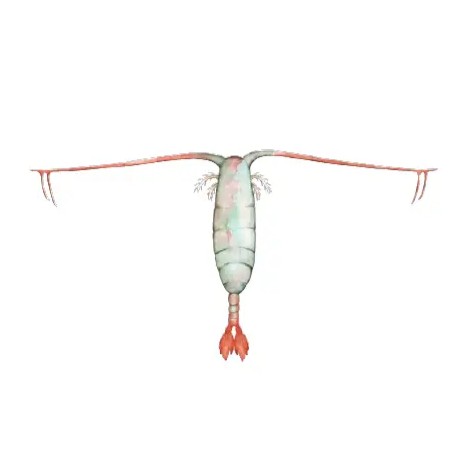
THE COPEPOD
ABOUT THE MATERIAL
- Summer hunting with kayaks
- Winter hunting on the sea ice
- The uses of seals
-
You solve the tasks by using
- Text
- Audio
- Drawing tool
- Images
In the book you can find more information on the subject.
The copepod is the most numerous animal in the world. It is the first animal in the food chain in the Arctic.
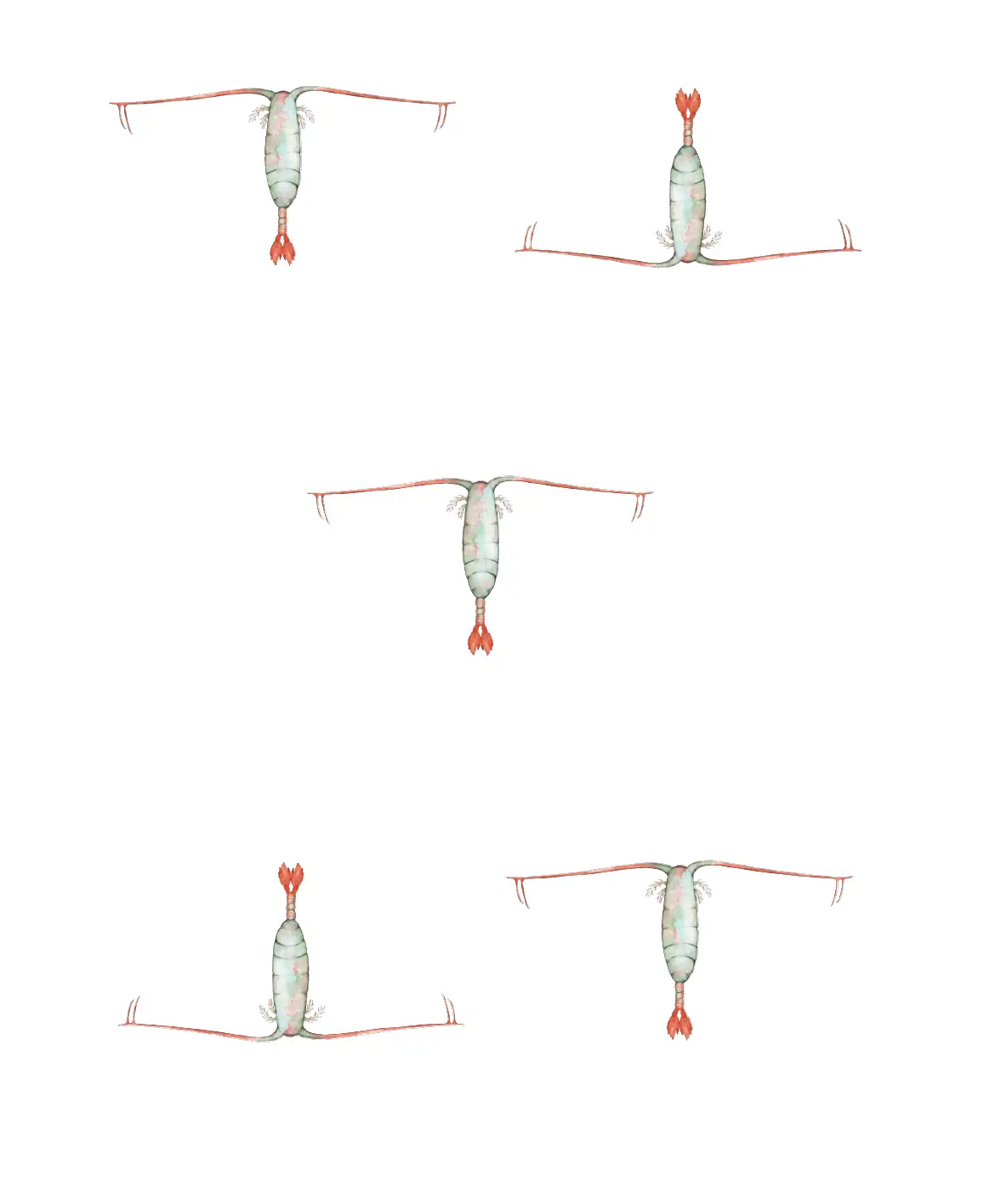
In the Disko Bay and the Icefjord it is almost twice as big as copepods elsewhere.
In spring it eats itself fat and full up. In winter it stays at the bottom of the sea without eating.
-
What is a food chain?
-
Why is the copepod bigger in the Disko Bay and the Icefjord than elsewhere in the world?
-
In what does the copepod eat itself fat in springtime?
In winter it is pitch-dark in the Icefjord and the Disko Bay. Some microscopic algae have adapted so that they can live under the ice.
In spring when the sun breaks through the ice, they bloom.
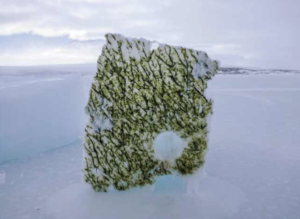
Phytoplankton are algae suspended in the water.
-
What makes the algae grow?
-
What is phytoplankton?
-
Find names and pictures of other algae.
The copepod is the most numerous animal in the world. It is the first animal in the food chain in the Arctic.
In the Disko Bay and the Icefjord it is almost twice as big as copepods elsewhere.
In spring it eats itself fat and full up. In winter it stays at the bottom of the sea without eating.
-
What is a food chain?
-
Why is the copepod bigger in the Disko Bay and the Icefjord than elsewhere in the world?
-
In what does the copepod eat itself fat in springtime?
In winter it is pitch-dark in the Icefjord and the Disko Bay. Some microscopic algae have adapted so that they can live under the ice.
In spring when the sun breaks through the ice, they bloom.
Phytoplankton are algae suspended in the water.
-
What makes the algae grow?
-
What is phytoplankton?
-
Find names and pictures of other algae.
The species of copepod living in the Disko Bay and the Icefjord is called Calanus. There are many other species of this multicellular organism.
Calanus is almost twice the size of other species, which makes it well suited to its role as central to the arctic food web.
-
What does the concept species mean?
-
The copepod is a crustacean. What is characteristic for crustaceans?
-
Is the copepod a prokaryotic or eukaryotic organism – why?
Ice algae have adapted to the cold life under the ice so that they can perform photosynthesis with even very little sunlight.
Ice algae is not the only organism conducting photosynthesis; there is also phytoplankton suspended in the water.
-
Write the chemical equation for photosynthesis.
-
Which part in the plant cell performs the photosynthesis?
-
What does it mean to the arctic ecosystem that ice algae have adapted to their environment?
The species of copepod living in the Disko Bay and the Icefjord is called Calanus. There are many other species of this multicellular organism.
Calanus is almost twice the size of other species, which makes it well suited to its role as central to the arctic food web.
-
What does the concept species mean?
-
The copepod is a crustacean. What is characteristic for crustaceans?
-
Is the copepod a prokaryotic or eukaryotic organism – why?
Ice algae have adapted to the cold life under the ice so that they can perform photosynthesis with even very little sunlight.
Ice algae is not the only organism conducting photosynthesis; there is also phytoplankton suspended in the water.
-
Write the chemical equation for photosynthesis.
-
Which part in the plant cell performs the photosynthesis?
-
What does it mean to the arctic ecosystem that ice algae have adapted to their environment?
Partners


