ULU

ABOUT THE MATERIAL
- From scraper to ulu
In the book you can find more information on the subject.
-
You solve the tasks by using
- Text
- Audio
- Drawing tool
- Images
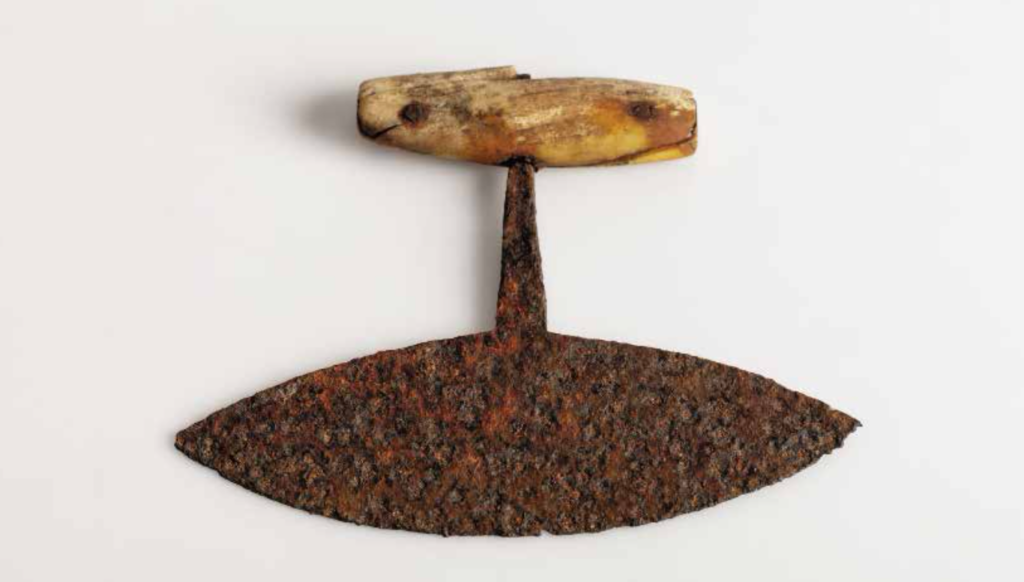
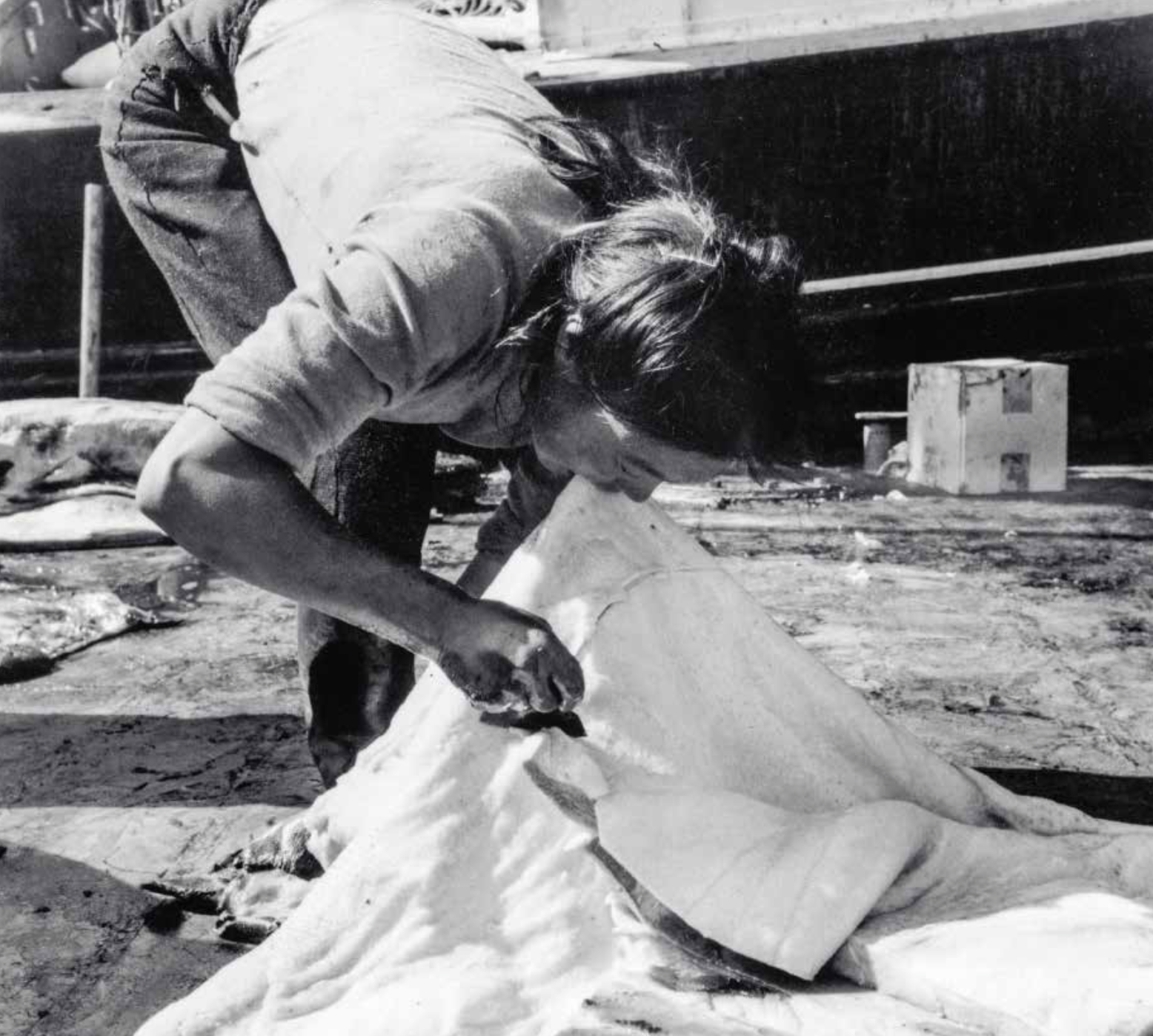
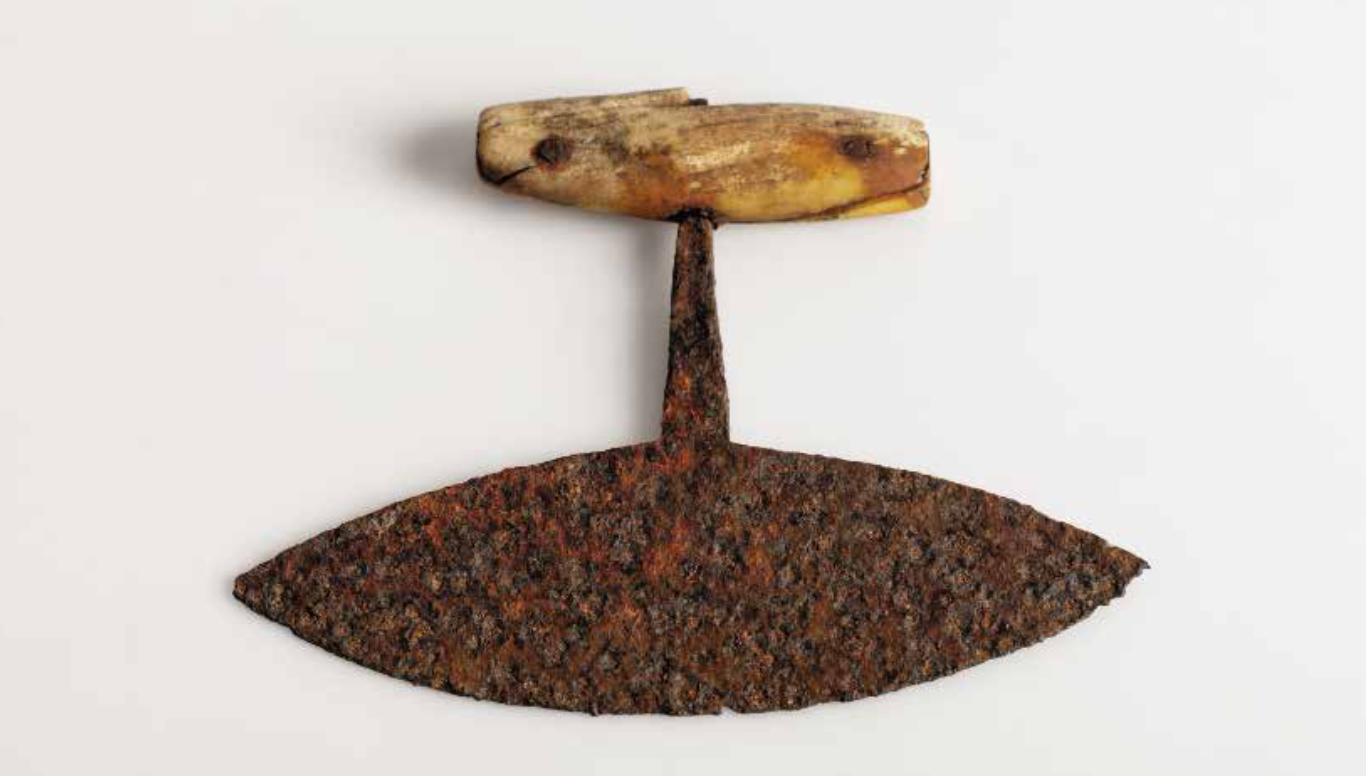
Once a sea mammal had been killed, it was towed to land where it was cut up and the skin flayed. An effective tool was a knife. Ulu in Greenlandic. Ulus originally had stone blades, but were later made of iron with shafts of bone or wood.
-
Make a list of the sea mammals caught in the Disko Bay.
-
Make a drawing of a scraper and an ulu.
Once a sea mammal had been killed, it was towed to land where it was cut up and the skin flayed. An effective tool was a knife. Ulu in Greenlandic. Ulus originally had stone blades, but were later made of iron with shafts of bone or wood.
-
What sea mammals were harpooned in the Disko Bay?
-
Write a caption under each picture. Find help at page 16 and 17.
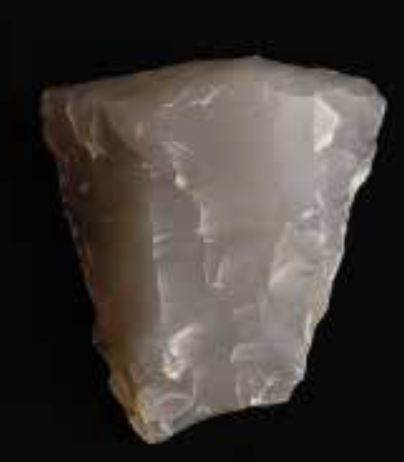
Once a sea mammal had been killed, it was towed to land where it was cut up and the skin flayed. An effective tool was a knife. Ulu in Greenlandic. Ulus originally had stone blades, but were later made of iron with shafts of bone or wood.
-
In the ice floe you see both scrapers and a ulu. What are the differences and similarities?
-
Imagine that you developed the ulu. How would you describe it so that the others at the settlement can see that it is more efficient than the scraper?
-
Ulu means knife in Greenlandic. The ulu has misleadingly been seen as a woman’s tool and gained status of a female symbol. Why?
Once a sea mammal had been killed, it was towed to land where it was cut up and the skin flayed.
The men harpooned the animals and usually the women cleaned the skins.
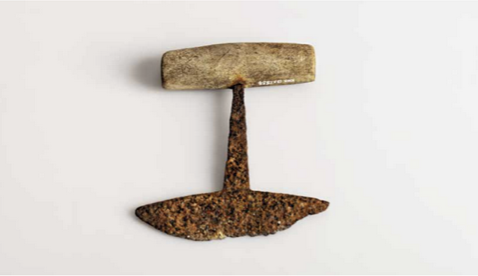
Ulu with a handle of reindeer antler.
Ulu with a handle of narwhal tusk.
-
Her kan du se to forskellige ulu’er, hvilken ulu har det mest holdbare håndtag?
-
Beskriv udviklingen fra skaber til ulu.
-
Uluen er misvisende kendt som et kvindesymbol, da kniven i lige så høj grad blev brugt af mænd. Hvorfor?
Partners


