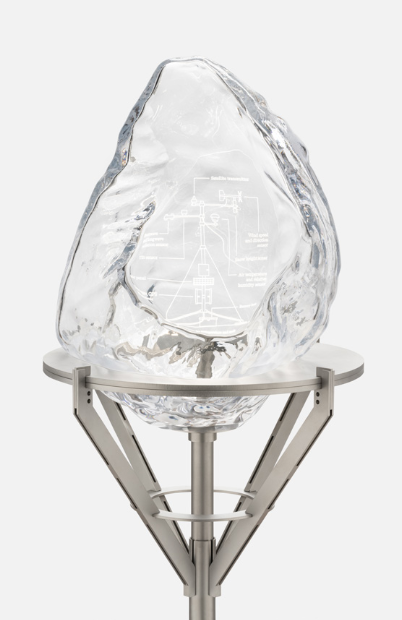
ABOUT THE MATERIAL
- Early ice research
- Earlier cultures are brought to life
-
You solve the tasks by using
- Text
- Audio
- Drawing tool
- Images
In the book you can find more information on the subject.
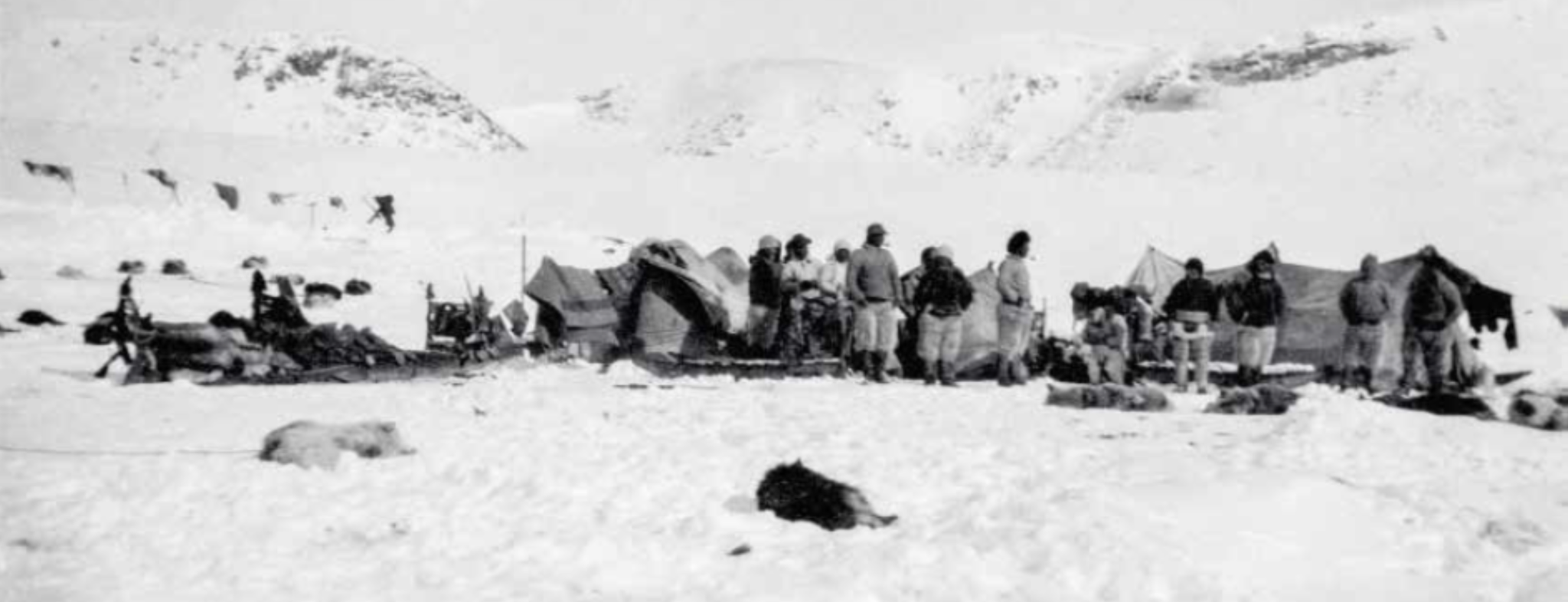
The picture shows an expedition around 1922-25.
They are examining the changes of the ice.
-
Record an audio file where you describe the picture.
Your audio file:
Archeologists have found items that have been preserved in the permafrost for hundreds of years. They found remains of hair, fur, feathers, wood, skin and baleens.
The finding of stone tools and bones have helped the archaeologists to understand how many people were present in the area over time.
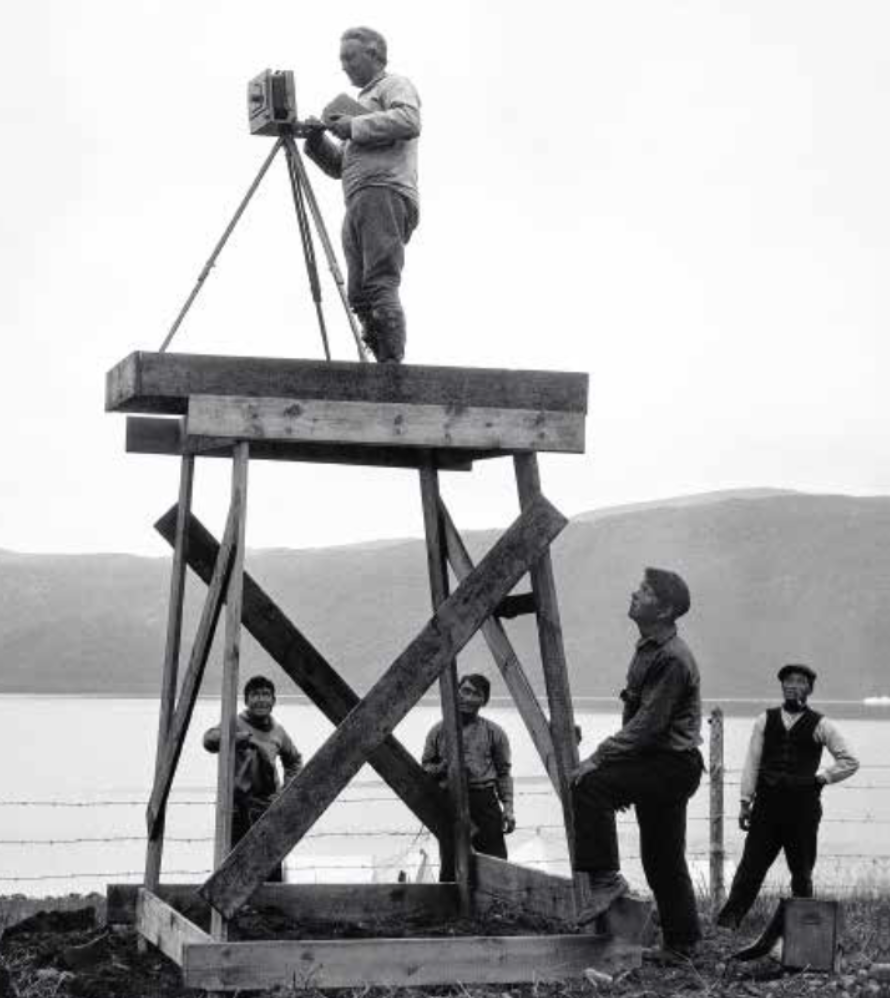
De første bosættere brugte harpun til at fange sælerne med. I dag fanges de med garn
In the picture you see an archeologist photographing in 1932.
Make a drawing showing how an archeologist would shoot today.
My drawing:
Current climate research would be impossible without the research conducted about the ice in Greenland.
Greenlanders in the area knew of glaciers and the movements of the ice before scientific research started. Around 1850 Europeans began to be interested in ice research.
Formerly the camera was used to document changes in the glaciers through time.
Today, it is ice core research that helps to distinguish between natural and anthropogenic changes in the climate.
-
Who was Hinrich Rink and what was his role in early climate research?
-
Give some suggestions to how you yourself can stop the man-made climate change.
The settlements at the Icefjord are particularly interesting for archeologists. Because of permafrost remains of hair, fur, feather, wood, skin and baleens have been preserved for more than thousand years.
Findings of stone tools and bones have helped archeologists to understand how many people lived in the area during different periods.
Learn about immigrations here.
-
Which settlements at the Icefjord helped archeologists to understand the chronology of migrations to Greenland? Get help on page 48 in the book.
-
The first migration to Greenland took place 4500 years ago. The last happened around 1200. Where did they come from and what are they called?
This is a picture of a campsite on the ice sheet. Many are doing ice research and the ice has a lot to tell about the past.
Without ice research we would not know as much about the climate as we do.
-
Who was Hinrich Rink?
-
In the 1830s an important invention was made – what was that and what was it used for?
-
What can research in ice cores contribute with?
When archeologists began to examine the permafrosted ground they found many remains from past cultures.
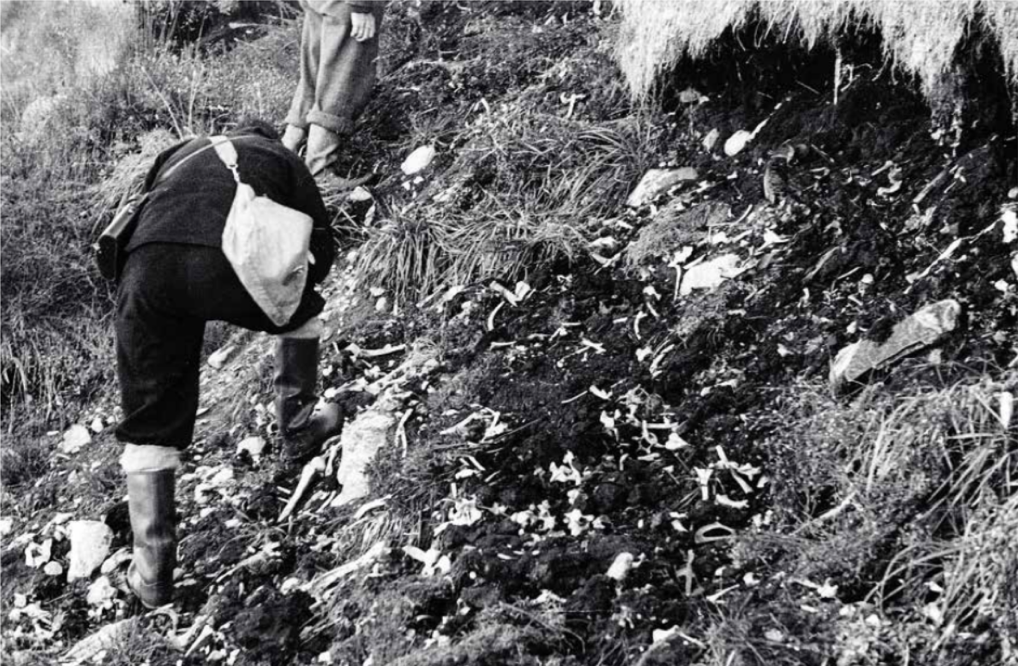
In the 1980s, the discovery of DNA material in hair found in the permafrost made it possible to recreate almost complete information from the genome.
- What does it mean that the ground is permafrosted?
- What is Sermermiut and Qajaa?
-
What was found at Sermermiut and Qajaa?
This is a picture of a campsite on the ice sheet. Many are doing ice research and the ice has a lot to tell about the past.
Without ice research we would not know as much about the climate as we do.
-
Who was Hinrich Rink?
-
How can documentation of the movement of glaciers contribute to climate research?
-
What is ice core research?
When archeologists began to examine the permafrosted ground they found many remains from past cultures.
In the 1980s, the discovery of DNA material in hair found in the permafrost made it possible to recreate almost complete information from the genome.
-
What can be found in permafrosted ground?
-
What was found at Sermermiut and Qajaa?
-
What is DNA?
Partners


